Tooling
Custom Mould Development
A private mould is steel cut specifically for your container shape. It covers glass moulds for bottles and jars and injection or blow tooling for plastic components, including closures.
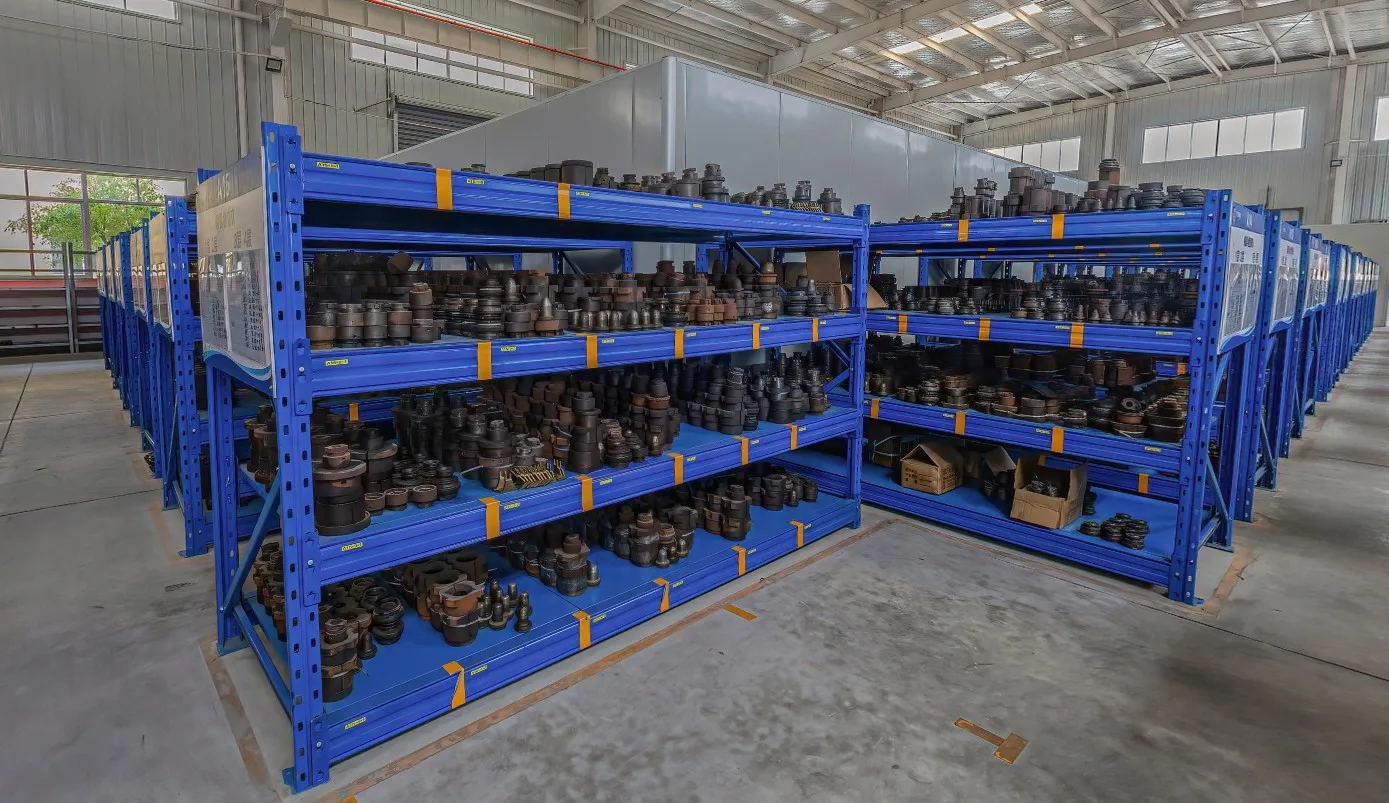
Why brands use it
- A silhouette competitors cannot buy from a catalogue
- Control of capacity, wall distribution and ergonomics
- Design protection potential for a distinctive form
Process
- 01Feasibility reviewWall distribution, draft angles, parting lines and capacity tolerance reviewed against the manufacturing process.
- 023D and drawingSTEP model and 2D drawing agreed, including capacity, overflow and neck standard.
- 03ToolingTrial cavity cut first for glass; T1 tooling for plastic.
- 04SamplingFirst articles measured against drawing, with a dimensional report.
- 05Production toolingMulti-cavity tooling built after sample approval.
Available materials
Typical applications
- Signature serum bottles
- Brand-owned jar shapes
- Fragrance flacons
- Distinctive closures
MOQ considerations
Custom moulds require a committed production volume to justify the tooling investment. The exact figure depends on cavity count and part complexity and is stated in the tooling quotation — we do not publish a single universal number.
Lead time
Glass tooling 25–40 days; plastic tooling 30–50 days; production follows first-article approval.
Other services
Often specified together
Custom Mould Development FAQ
Where you fund the full tooling cost, the mould is dedicated to your brand and stored for repeat orders. Ownership, storage duration and maintenance responsibility are written into the tooling quotation before work starts.
That is the sensible route for most emerging brands. Launch on stock tooling with distinctive decoration, prove the volume, then invest in a private mould once repeat orders justify it.
Yes — standard samples, decoration samples and pre-production samples. Standard samples are usually available quickly; customised samples are quoted with the project because they require set-up.
Yes, through masterbatch resin colour, spray coating on glass or plastic, or printed colour on cartons. Coating gives full Pantone freedom at a lower minimum; masterbatch is more durable but needs a larger volume.
Yes — silk screen printing, UV printing, hot stamping, embossing and labelling. We will advise which method suits your artwork, substrate and quantity, including minimum legible sizes.
Next step
Tell us what you are packing. We will send a specification and a price.
Share the product type, capacity, quantity and any decoration you have in mind. Qualified RFQs are answered within one business day.